


City of Crime: Gang Wars
4.43.74K Reviews
App Specs
- Version
- 1.2.176
- Updated On
- License
- Free
- Downloads
- 10,000,000+
- Developer
- CrushGameTechnologyLimited
- Categories
- Strategy
- Platform
- Android, iOS
Screenshots
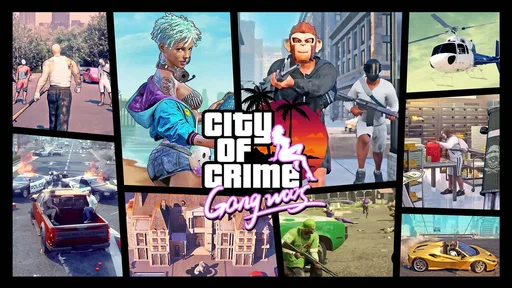
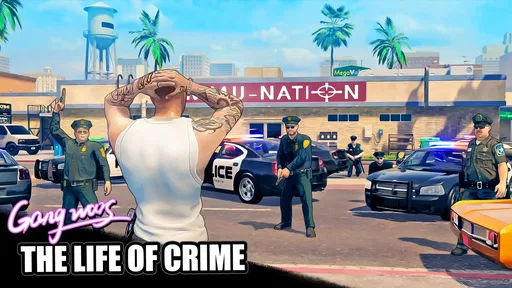
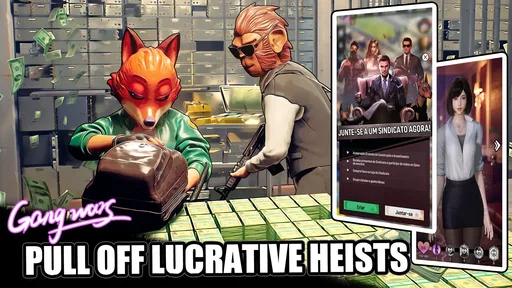


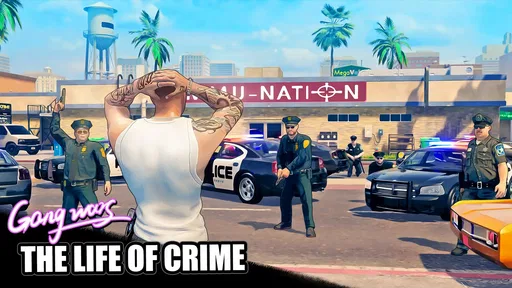
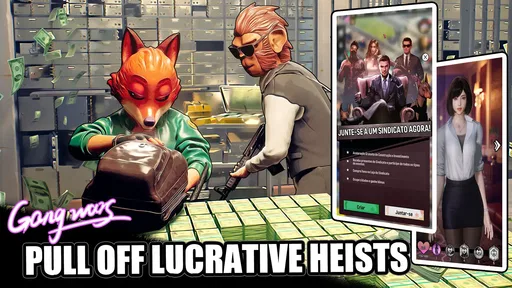
 Analysis by AppCompare
I approached City of Crime: Gang Wars as a decision rather than a quick download: is this the right kind of strategy game for someone who enjoys building influence in a dangerous city, or would another style of mobile game be a better match? After spending time with it, my answer is fairly clear. It is aimed at players who like a persistent criminal-world setting, frequent conflict, and the feeling that progress comes from making several connected decisions rather than winning one isolated match.
The game comes from CrushGameTechnologyLimited and is free to install. Its Mature 17+ rating is important because the atmosphere is built around crime, gangs, violence, and adult themes rather than a lighthearted city builder. I would not recommend treating it as a casual family strategy title. It is better understood as a long-term mobile strategy experience for people who enjoy checking in, improving their position, and competing in a world where trouble can appear quickly.
What I looked for before recommending it
My first test was whether the strategy felt meaningful beyond tapping through obvious upgrades. City of Crime: Gang Wars works best when I think about timing, priorities, and risk. A stronger-looking account is not automatically a smarter one, and rushing every available improvement can leave fewer options when conflict becomes the focus. That makes the game more interesting than its short store description suggests, but it also means it asks for more attention than a simple idle title.
The second question was whether the setting actually changes the way the game feels. Here, the urban crime theme is not just decoration. It gives the decisions a particular tone: expansion feels like establishing influence, conflict feels personal, and development is tied to the fantasy of becoming powerful in a hostile city. Players who enjoy gang-centered fiction will probably connect with that presentation faster than players who prefer kingdoms, farms, space colonies, or historical armies.
I also considered how comfortable the game is for different schedules. This is not the sort of strategy game I would choose if I wanted a completely self-contained ten-minute session with no reason to return. It is more suitable for a routine: check the current situation, decide what deserves attention, prepare for the next objective, and come back when the next decision matters. That rhythm can be satisfying, although it may feel demanding if you prefer games that pause neatly whenever you close them.
There is also a practical consideration around spending. The download is free, but optional purchases range from $0.99 to $199.99 per item. I would decide on a personal limit before getting invested. That is not a criticism unique to this game; it is simply sensible for a strategy title where progress and competition can encourage impulse decisions. The best way to enjoy it is to judge each purchase by whether it improves your experience, not by whether it helps you keep up with every possible advantage.
The core appeal is a city that feels like a strategic problem
What kept me interested was the way the game combines identity and planning. I was not only asking which action looked strongest in the moment. I was also thinking about what kind of player I wanted to become inside the city. A cautious builder, an aggressive competitor, and a patient planner can approach the same situation differently. That sense of direction gives the strategy more personality than a sequence of disconnected missions.
Worth Reading Before You Choose

Flipboard Shows What News Apps Must Do Beyond the Feed

Switching to Android Auto Means Rethinking Your Driving Routine

Google Calendar Makes a Crowded Week Easier to Manage

Ludo King Makes the Most of the Minutes Between Plans

Baby Panda World Brings Quick Play to Modern Phones, but Its Game Library Feels Busy

ESPN’s Live Game View Makes Following Close Games Easier
The crime setting also makes the stakes easier to understand. In a conventional fantasy strategy game, development may revolve around castles or armies. Here, the language of streets, gangs, and influence creates a sharper feeling of pressure. Even when the underlying action is familiar to mobile strategy players, the presentation gives it a different emotional flavor. I found that useful because it helped me remember why I was investing time in a particular improvement instead of treating every button as interchangeable.
Another strength is the game’s suitability for players who like gradual progress. If you enjoy seeing a position develop over repeated visits, the structure has appeal. I could play in short bursts while still thinking about the next step later. A realistic everyday example would be opening it during a commute, reviewing what needs attention, making one or two deliberate choices, and returning in the evening to reassess the situation. That works better than trying to rush through everything in one sitting.
My most useful habit was separating urgent decisions from attractive distractions. A visible upgrade can be tempting, but it may not be the best use of attention if a more important objective is approaching. I recommend keeping a simple mental order: protect the progress that matters, strengthen the area that supports your current plan, and only then spend resources on something that looks impressive. This approach helped me avoid the common mobile strategy mistake of spreading effort across too many goals.
Small planning habits make a noticeable difference
I also found it helpful to review the whole position before committing to a major action. Instead of immediately selecting the first available improvement, I would look at what it enabled, what it delayed, and whether it supported my current style. That extra pause is easy to skip, especially when the interface presents several appealing choices. In a game built around continuing development, however, an early decision can influence how comfortable the next several sessions feel.
A second practical tip is to treat preparation as part of the game rather than as downtime. If I waited until conflict was already unavoidable before thinking about my position, I felt reactive. When I used quieter moments to organize my priorities, the same city felt more manageable. This is one of the less obvious strengths of the experience: the most satisfying decisions are often made before the dramatic moment, not during it.
I would also recommend resisting the urge to copy the most aggressive approach simply because the setting encourages it. A crime-themed game can make constant confrontation feel like the natural answer, but a player who prefers controlled growth may have a better time building a stable foundation first. That flexibility is valuable, although it requires accepting that progress may feel slower when you are not chasing every confrontation.
Finally, I would keep the spending question separate from the strategy question. Before buying anything, I would ask whether I understand the bottleneck I am trying to solve. If I cannot explain why a purchase helps my chosen plan, I would wait. This makes the free-to-play structure easier to manage and keeps the game from becoming a test of impulse control rather than a strategy experience.
How it compares with other strategy choices
Compared with turn-based strategy games, this is a better fit for someone who wants an ongoing city and a more continuous sense of development. Turn-based alternatives are usually easier to approach when you want every action to happen in a clearly bounded match. They can also be better for players who dislike returning to a persistent world. I would choose one of those instead if I wanted a complete tactical contest that ends cleanly rather than a longer relationship with one evolving position.
Compared with traditional city builders, City of Crime: Gang Wars has a more confrontational identity. A peaceful construction game may be preferable if your main pleasure comes from layout, decoration, and steady expansion without an atmosphere of criminal conflict. This game is not the choice I would make for relaxing urban design. Its city exists within a harsher fantasy, and that tone shapes the way progress feels.
Compared with idle strategy games, it demands more active judgment. An idle title may suit someone who wants to collect rewards, make occasional upgrades, and leave the game alone for long periods. Here, I got more value when I paid attention to priorities and prepared for what came next. If you want the lowest possible mental workload, an idle alternative may be a better fit.
Compared with competitive multiplayer strategy games, the appeal depends on what kind of pressure you enjoy. A highly focused competitive game may offer cleaner matches and a more direct test of tactical skill. This title is more about building a position over time within its city-crime fantasy. I would choose it over a match-based alternative if I wanted continuity, but I would choose the match-based option if I disliked long-term commitment or the possibility that progress would feel tied to repeated returns.
Who should play, and who should skip it
I think it is a good match for players who enjoy criminal underworld stories, persistent progression, and strategy that rewards regular attention. It is especially suitable for someone who likes making a plan, checking whether that plan is working, and adjusting without needing every session to deliver a dramatic conclusion. The Mature 17+ rating also makes it more appropriate for adults who are comfortable with its subject matter.
I would be more cautious recommending it to a player who wants a peaceful builder, a short offline-style puzzle, or a self-contained tactical campaign. It may also frustrate anyone who dislikes free-to-play pressure, even if they intend to spend nothing. The broad purchase range means I would not hand it to a younger player without discussing spending boundaries first. The game can be free to start while still requiring discipline around optional purchases.
Device compatibility is reasonably broad: the current version is 1.2.176 and requires Android 6.0 or later. That makes it accessible to many Android users, but compatibility alone does not determine whether the experience will feel comfortable. A persistent strategy game is much more enjoyable when the device you use makes regular check-ins convenient and the interface is easy for you to read. I would try it on the device where I expect to play most often rather than assuming that installation automatically means it suits my routine.
What switching to it really involves
The cost of switching from another strategy game is mostly a change in rhythm. If you are coming from a match-based title, you may need to accept that not every visit has a clear finish line. If you are coming from an idle game, you may need to make more decisions instead of simply collecting progress. If you are coming from a peaceful builder, you may need time to adjust to the darker setting and more conflict-focused identity.
That transition is easiest when you begin with one clear objective rather than trying to understand every system at once. I would spend the early sessions learning how the city’s development fits together, then decide whether I prefer a cautious or aggressive style. This prevents the common mistake of judging the entire game after a few rushed actions made without a plan.
I would also avoid transferring expectations from another strategy game too literally. The best opening habit in a turn-based title may not be the best habit here, and a city-builder’s instinct to improve everything evenly can be inefficient in a more confrontational environment. The useful question is not “What worked in my last game?” but “What does my current position need?” That mindset makes the transition far smoother.
The game’s popularity gives it a reassuring starting point: it has a 4.4 average from around 294 thousand ratings, with more than 10 million installs. I would read those figures as evidence that the concept has found a substantial audience, not as a guarantee that every strategy fan will enjoy it. The audience size makes it easier to see why the game remains relevant, while the genre and age rating explain why it will still be selective in its appeal.
My recommendation after weighing the trade-offs
My recommendation is to try City of Crime: Gang Wars if you want a free strategy game with an adult crime setting, ongoing development, and decisions that become more satisfying when you plan ahead. I would approach it as a game to build a routine around, not as a disposable time-filler. Start slowly, choose a direction, and review the consequences of each major improvement before spending resources.
I would skip it if your ideal strategy experience is peaceful construction, short turn-based matches, or a game that asks almost nothing from you between sessions. Those alternatives may fit your habits better, and there is no reason to force yourself into a persistent crime-world structure simply because it is popular. The setting is a major part of the appeal, so disliking that tone is a strong signal to choose something else.
For me, the deciding factor is the combination of atmosphere and long-term decision-making. The game is most enjoyable when I treat the city as a problem to understand rather than a list of buttons to clear. My practical advice is to set a spending boundary, play with one strategic priority at a time, and give the ongoing rhythm a fair chance before deciding. With that approach, it earns a recommendation for the right player, while remaining an easy game to pass over for anyone seeking a calmer or more self-contained strategy experience.
Pros
- Large open-world map with plenty of activities and locations to explore.
- Real-time gang battles create a competitive multiplayer experience.
- Many vehicles and weapons add variety to missions and combat.
- Base-building systems give long-term goals beyond individual fights.
- Frequent events can provide extra rewards and reasons to return.
Cons
- Progress can feel slow without spending premium currency.
- Online features require a stable internet connection to play properly.
- Combat may become repetitive after extended sessions.
- The interface can feel crowded with numerous menus and notifications.
- Device performance may suffer during busy battles or crowded areas.
FAQs for City of Crime: Gang Wars
What is City of Crime: Gang Wars about?
City of Crime: Gang Wars is a strategy and role-playing game set in a dangerous urban underworld. You build and expand your criminal organization, recruit characters, upgrade facilities, complete missions, and compete against rival gangs. The game combines city management, real-time or timed activities, character progression, alliances, and online multiplayer events, making it more focused on long-term development than on a single-player story campaign.
Is City of Crime: Gang Wars free to download and play?
Yes, City of Crime: Gang Wars can generally be downloaded and played for free on supported mobile devices. However, it includes optional in-app purchases for premium currency, resource packs, upgrades, and other time-saving items. Progress is possible without spending money, but free players may need more patience, especially during construction timers, competitive events, and later stages where stronger opponents and more demanding upgrades become common.
Does the game require an internet connection?
An internet connection is normally required to play City of Crime: Gang Wars because many of its main systems depend on online servers. Your city progress, alliance features, events, rankings, battles, and purchases must be synchronized with the game service. As a result, the game is not a good choice for fully offline play. A stable Wi-Fi or mobile data connection is recommended to avoid loading problems or interrupted activities.
Is City of Crime: Gang Wars suitable for children?
City of Crime: Gang Wars is aimed more at teenagers and adults than young children. Its setting includes gang conflicts, crime-related themes, weapons, violence, and references to an organized criminal world. The game may also contain online interaction, advertisements, and in-app purchases. Parents should check the age rating for their region and review device purchase controls before allowing children to download or play it.
Can I play City of Crime: Gang Wars without spending money?
You can play City of Crime: Gang Wars without making purchases, particularly if you focus on completing missions, collecting free rewards, joining an active alliance, and planning upgrades carefully. Nevertheless, the experience is built around waiting periods, resource management, and competition with players who may spend money. Free-to-play progress can become slower over time, so patience and consistent daily activity are important if you want to remain competitive.


